Business & Growth
The Wedding Is Over. What Work Is Left for the Photographer?
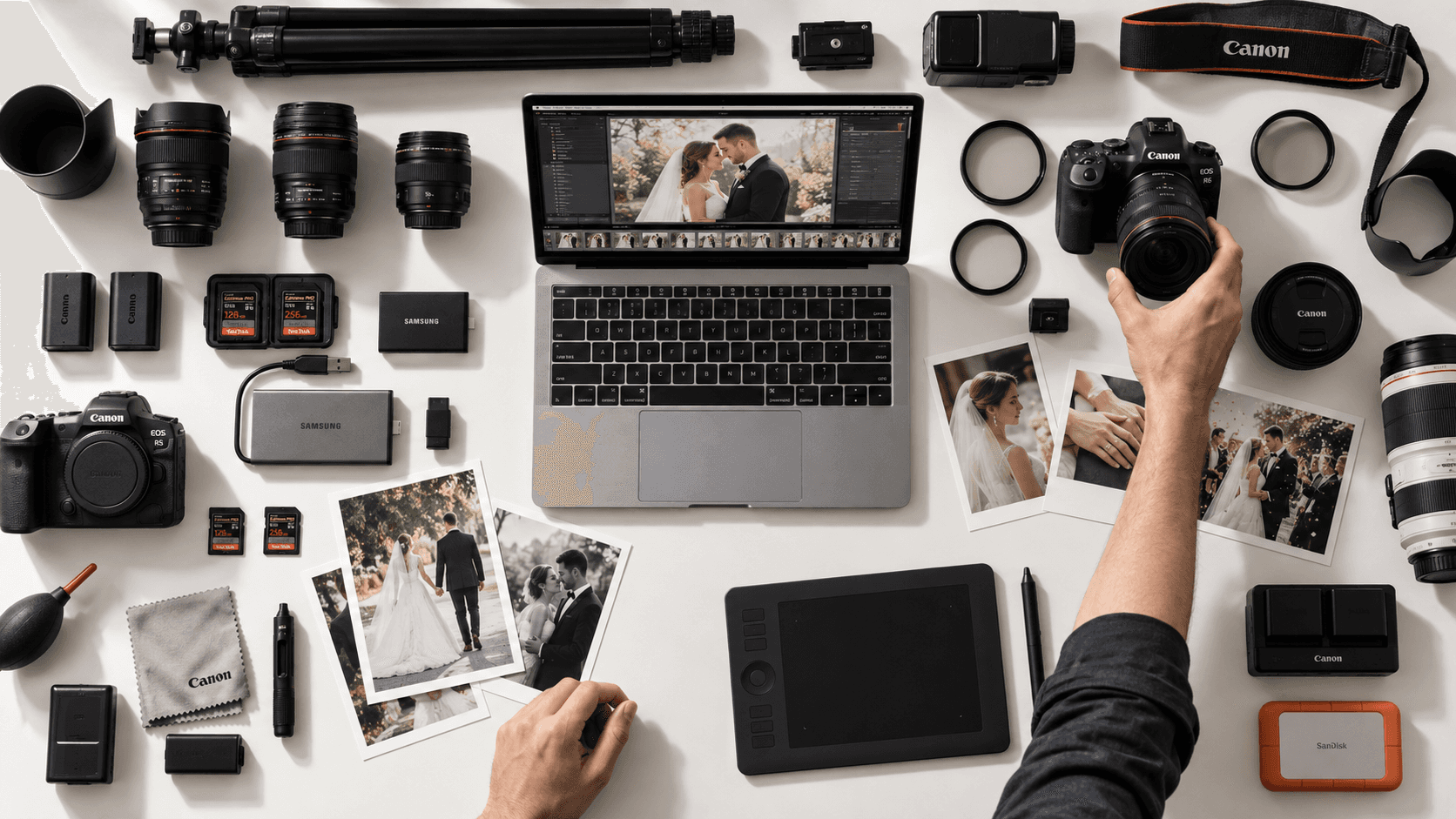
For most guests, the wedding ends when the lights go down and everyone heads home.
For the photographer, that is usually when another part of the work begins.
A wedding can leave behind thousands of photographs from different cameras, functions and locations. Before the couple receives their final photos, there is a lot happening behind the scenes that most people never really see.
The Workflow Starts Before the Event Ends
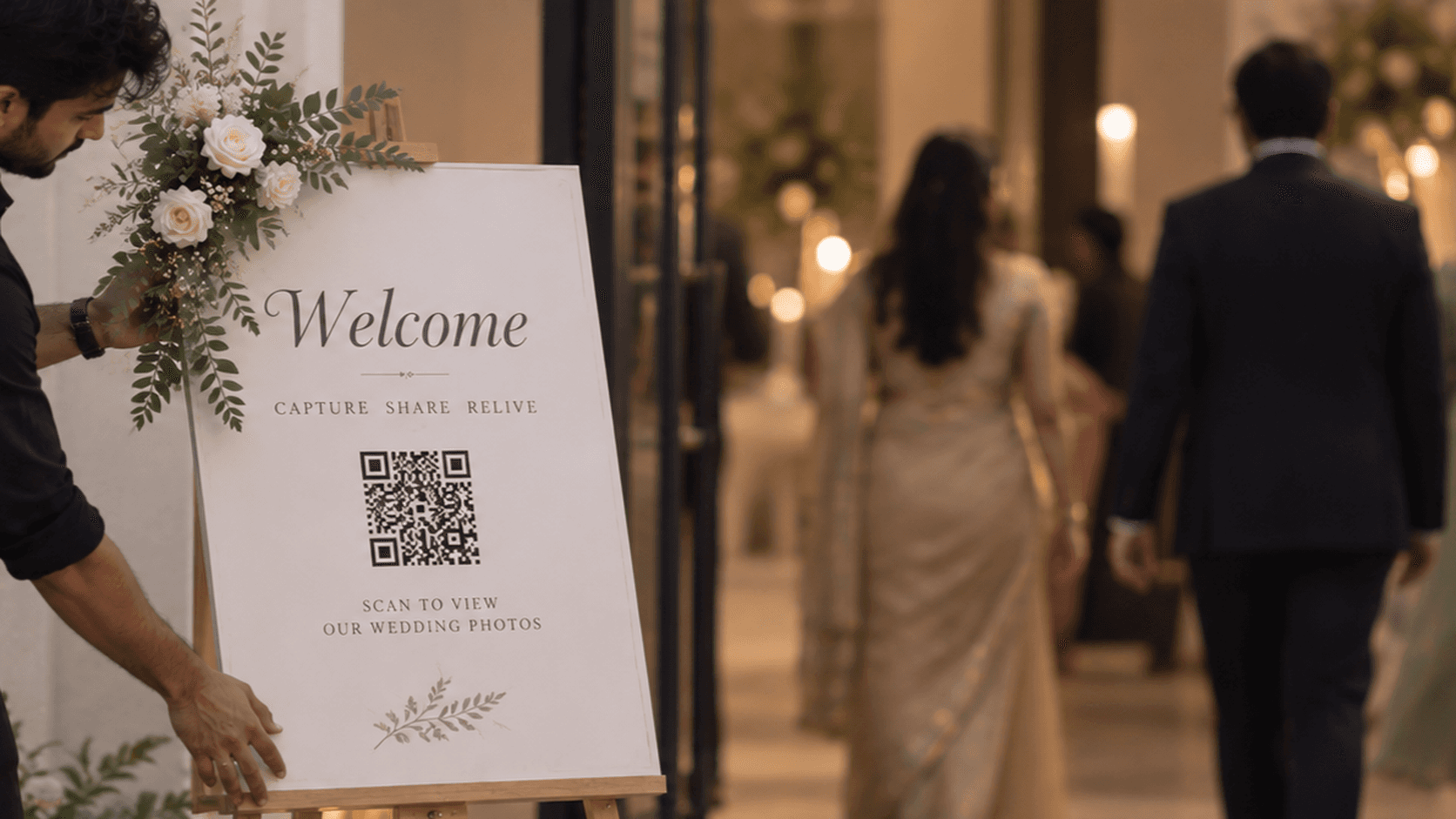
Photographers can create the digital album in advance, organise the event structure and place QR codes around the venue so guests know where to access the photos.
For a multi-day Indian wedding, the album can also follow the natural flow of the event:
Haldi → Mehendi → Wedding → Reception → Other Functions
Keeping each function in its own section makes the gallery easier to browse later instead of placing thousands of photos into one long collection.
A well-organised digital album is not only useful after the wedding. It can also become part of the event experience itself.
Getting the Camera Ready for Instant Uploads
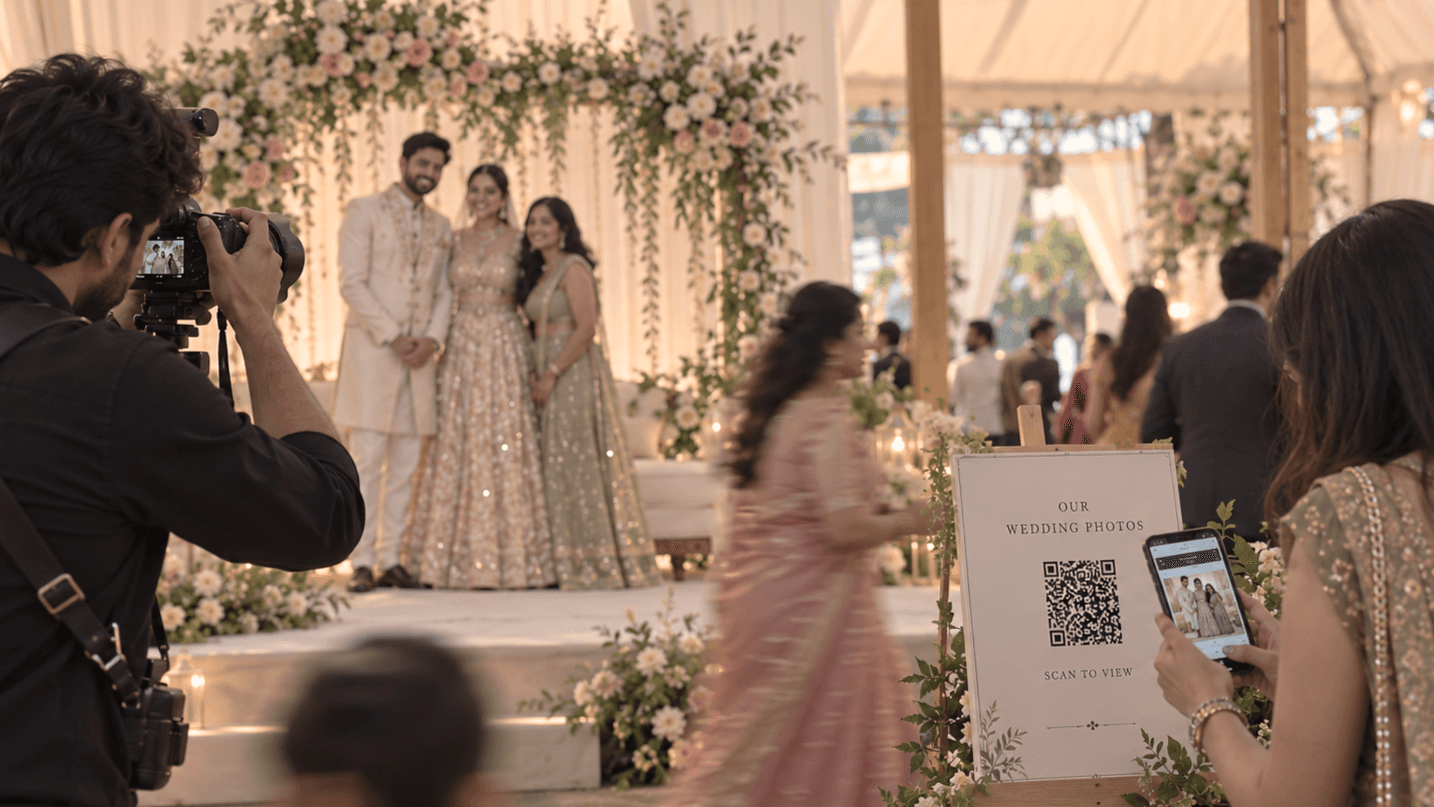
Photographers who want to offer instant photo delivery can prepare supported cameras to upload selected photos directly into the digital album while they continue shooting.
A simple example is stage photography.
A guest walks onto the stage, takes a photo with the bride and groom, and walks away. By the time they step down and scan the QR code placed near the stage or around the venue, that recently captured photo can already be available in the digital album.
From their side, the experience is simply: Take the photo → Scan the QR code → Open the gallery → Find the photo
Then Comes the Selection and Editing
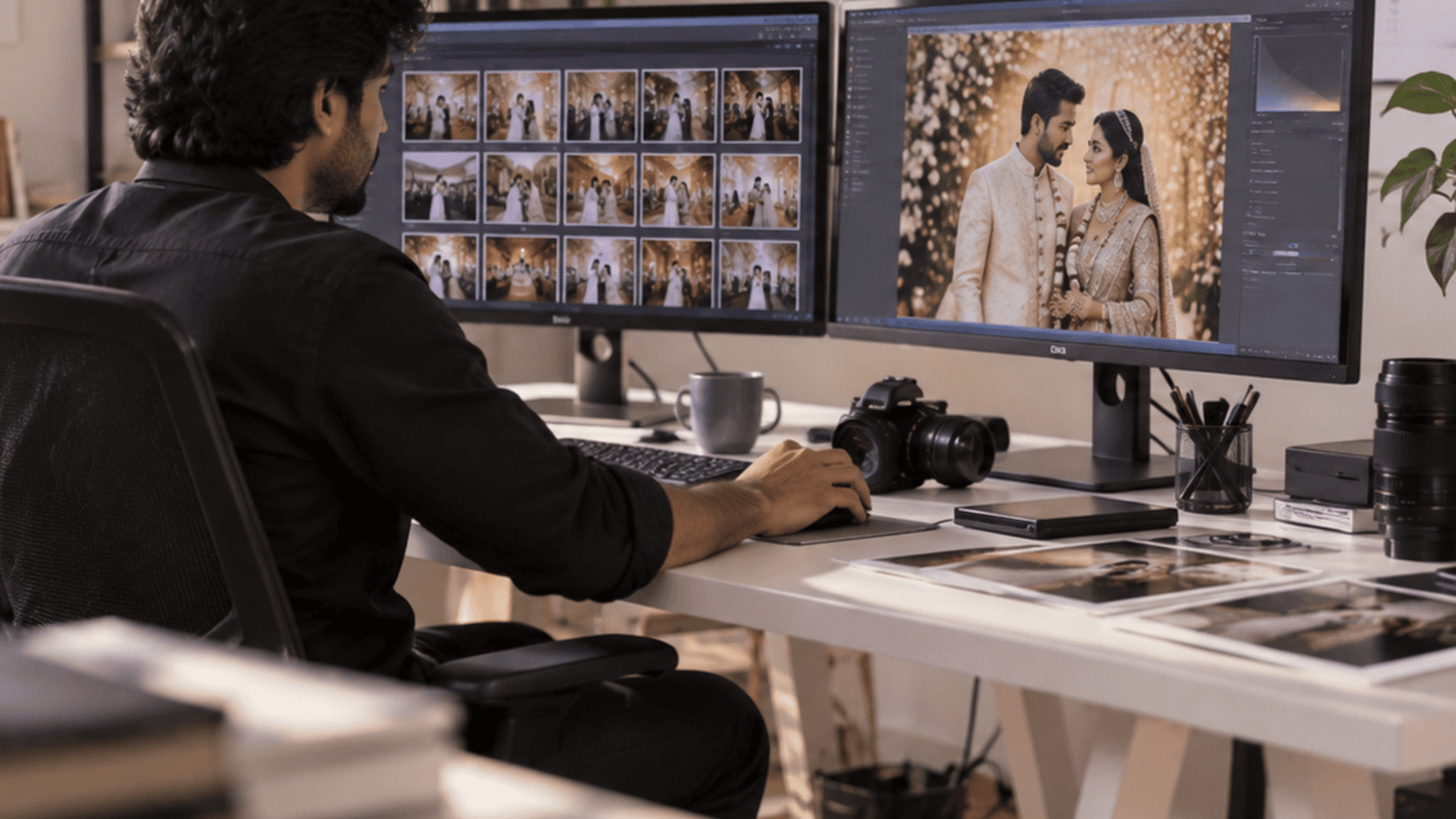
Not every photograph taken during a wedding needs to reach the final gallery.
There may be duplicates, test shots, blinking eyes or several versions of the same moment. Photographers still need to review the images and decide what belongs in the final collection.
Editing is another part of that process. Exposure, colour, skin tones and consistency all need attention. Some photographs may be uploaded quickly during the event, while portraits, candid moments or more important images may go through the photographer's normal editing workflow first.
Helping Guests Find Their Photos
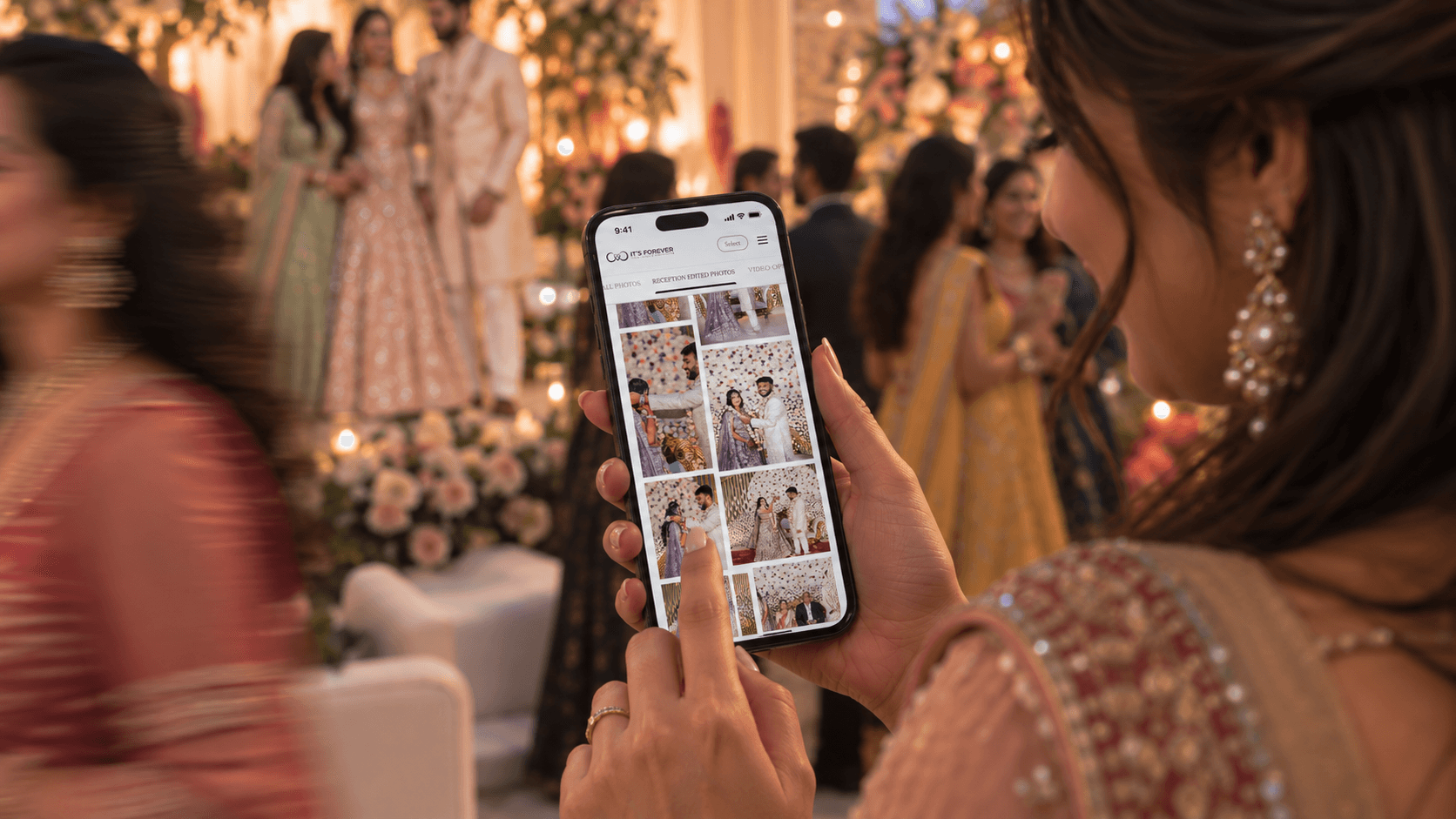
Even with the event organised into sections, a guest may not want to scroll through every photograph just to find themselves.
This is where AI face recognition can become useful. Guests can use Face Search to find the photos they appear in, making a large digital album much easier to explore.
For photographers, this also reduces the need to manually search for and send individual photographs to different guests.
The Work Continues After the Wedding
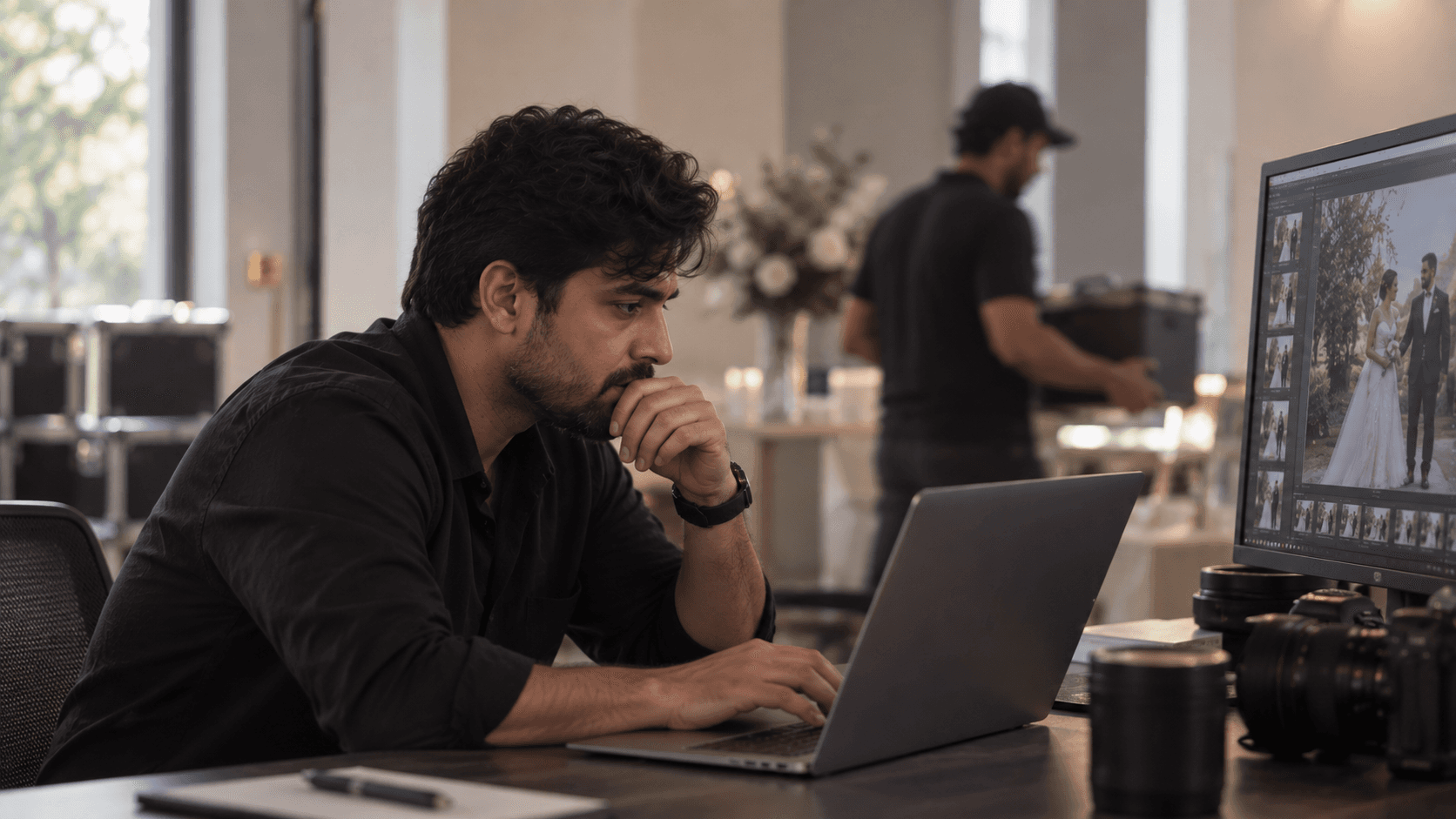
Once the event is over, the photographer still has to back up files, finish selections, complete editing and prepare the final delivery.
For couples creating a physical album, there may also be another round of photo selection. Instead of exchanging screenshots or filenames, photos can be selected from the digital album and passed back to the photographer for the final album design.
The hours spent shooting are only one part of wedding photography.
A good workflow connects everything around it: preparing the digital album, organising each function, setting up instant uploads, making photos easy for guests to access, editing the final collection and eventually handing those memories back to the couple.
The wedding may be over, but for the photographer, the story is still being put together.
Deliver photos to every guest — instantly.
Forever handles instant delivery, QR sharing, and face recognition — all in one place. Try it free.
Start for free →